Material selection should begin with what the part must do, not with whichever option appears first in a list. Intended use, mechanical loads, corrosion environment, weight, appearance, joining, and finishing all influence the decision. The exact grade and thickness must ultimately be available and selected in Metalldel's current configurator.
1. Define the requirements before comparing metals
- Will the part be used indoors, outdoors, in moisture, exposed to salt, or around chemicals?
- Is low weight more important than high stiffness or low material cost?
- Will the part be bent, welded, threaded, deburred, or surface treated?
- s appearance, a directional surface, or cleanability a functional requirement?
- Which dimensions or loads are critical, and who owns the engineering check?
2. Compare the common material groups
| Material group | Typical reason to consider it | What still needs confirmation |
|---|---|---|
| Structural steel in the S355 family | A practical starting point for general components where strength and planned surface protection are relevant. | Exact grade, corrosion protection, welding, bending, and available thickness. |
| Stainless 304L | General corrosion resistance and a clean appearance under moderate exposure. | Environment, surface, cleaning requirements, joining, and available grade. |
| Stainless steel 316L | Better resistance than 304L in many chloride-rich and demanding environments. | Concentration, temperature, exposure time, and other actual environmental conditions. |
| Aluminium 5754 | Low weight, natural corrosion resistance, and useful forming characteristics. | Temper, strength requirements, joining, surface, and available thickness. |
3. Choose thickness from function and geometry
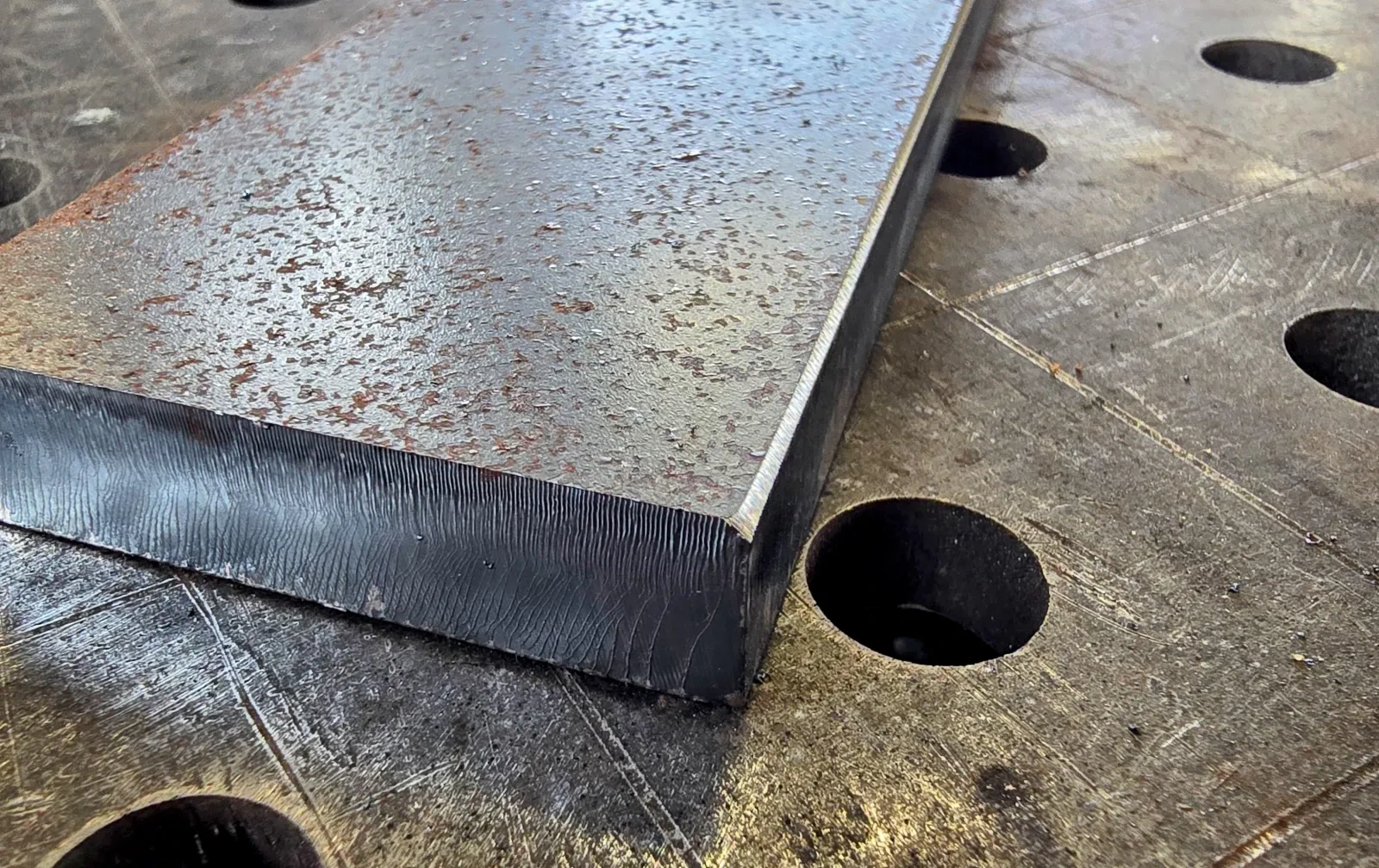
A thicker sheet does not automatically make a better part. Thickness affects weight, stiffness, minimum details, holes, threads, bending conditions, tool access, and cost. Start with the engineering requirement, confirm that the geometry remains manufacturable, and choose only from the thicknesses shown for the current grade and service.
- Determine the loads, spans, and fastening areas the part must handle.
- Check whether weight or available space limits the part thickness.
- Review holes, slots, narrow bridges, bend flanges, and threaded details together with thickness.
- Confirm the thickness in the active configurator instead of relying on an older list.
4. Check services after selecting material and thickness
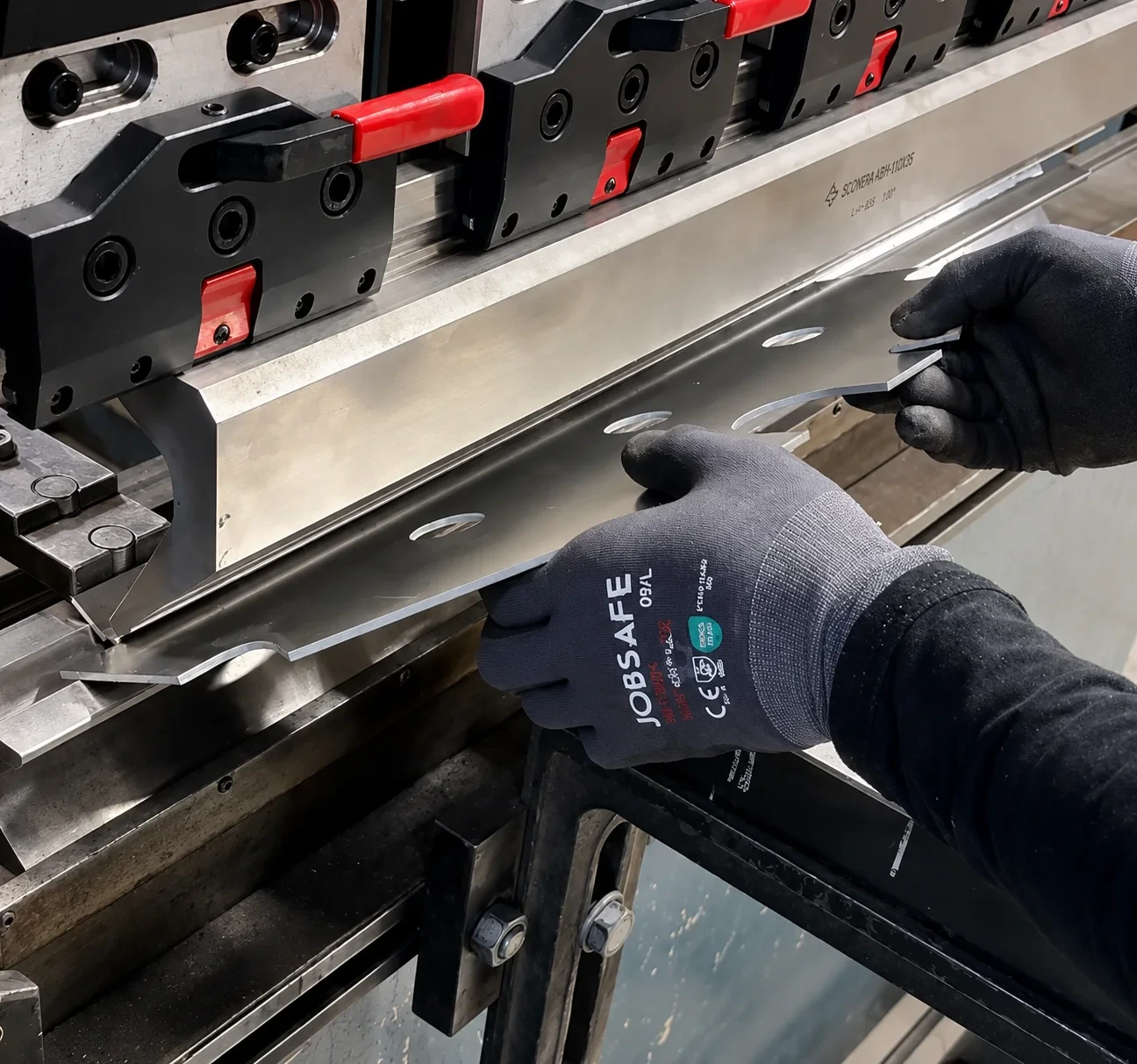
- Bending: material availability is only the first filter; flange length, radius, collision, and sequence also need review.
- Threading: the hole, required thread size, usable depth, and tool access must be compatible.
- Deburring: describe the required edge condition; standard deburring is not the same as a guaranteed radius or cosmetic polish.
- Finishing: clarify the environment, visible faces, colour or appearance, and features such as holes and threads before choosing a treatment.
5. Use a simple decision sequence
- Describe the use, environment, and functionally critical requirements.
- Choose a material group that fits those requirements without locking the final grade too early.
- Calculate or have the required thickness checked from load, stiffness, and geometry.
- Open the configurator and confirm the exact grade, thickness, and available services.
- Request a specialist review if the requirements cannot be documented using the visible choices.
6. Before completing the order
Read the part, material, thickness, services, quantity, and finish as one complete specification. If a required grade, thickness, or treatment is not shown, do not replace it with an assumption. Send the specification to Metalldel for review before ordering.